How to write a brief that gets your first set right the first time
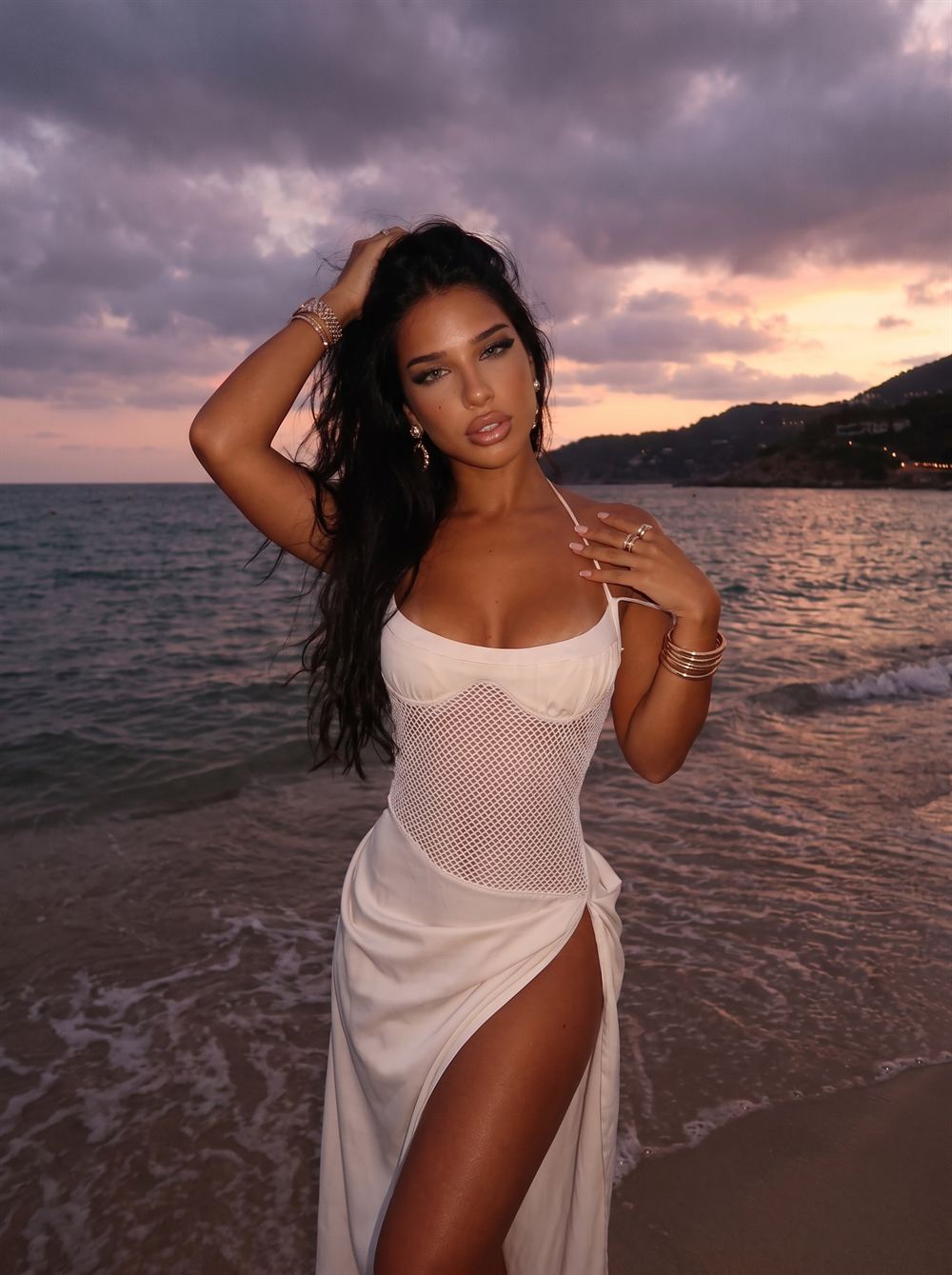
The single biggest factor in how fast your first set comes back is how clearly the brief lands the first time. A vague brief does not just slow us down — it means more rounds before you get something you would actually publish. Here is what a brief that works on the first pass usually has.
Start with the product, not the mood board
The product photo is the one thing we cannot guess at. A flat lay, a mannequin shot, even a decent phone photo on a plain background — that is the anchor everything else is built from. Mood boards and reference images are useful for tone, but they come second. Send the product first.
Say what you do not want, too
Most briefs describe what a brand wants. Fewer mention what to avoid, and that is often more useful. If a past shoot used lighting you disliked, or a pose that felt off-brand, say so directly. It rules out an entire direction in one sentence instead of us discovering it after a first draft.
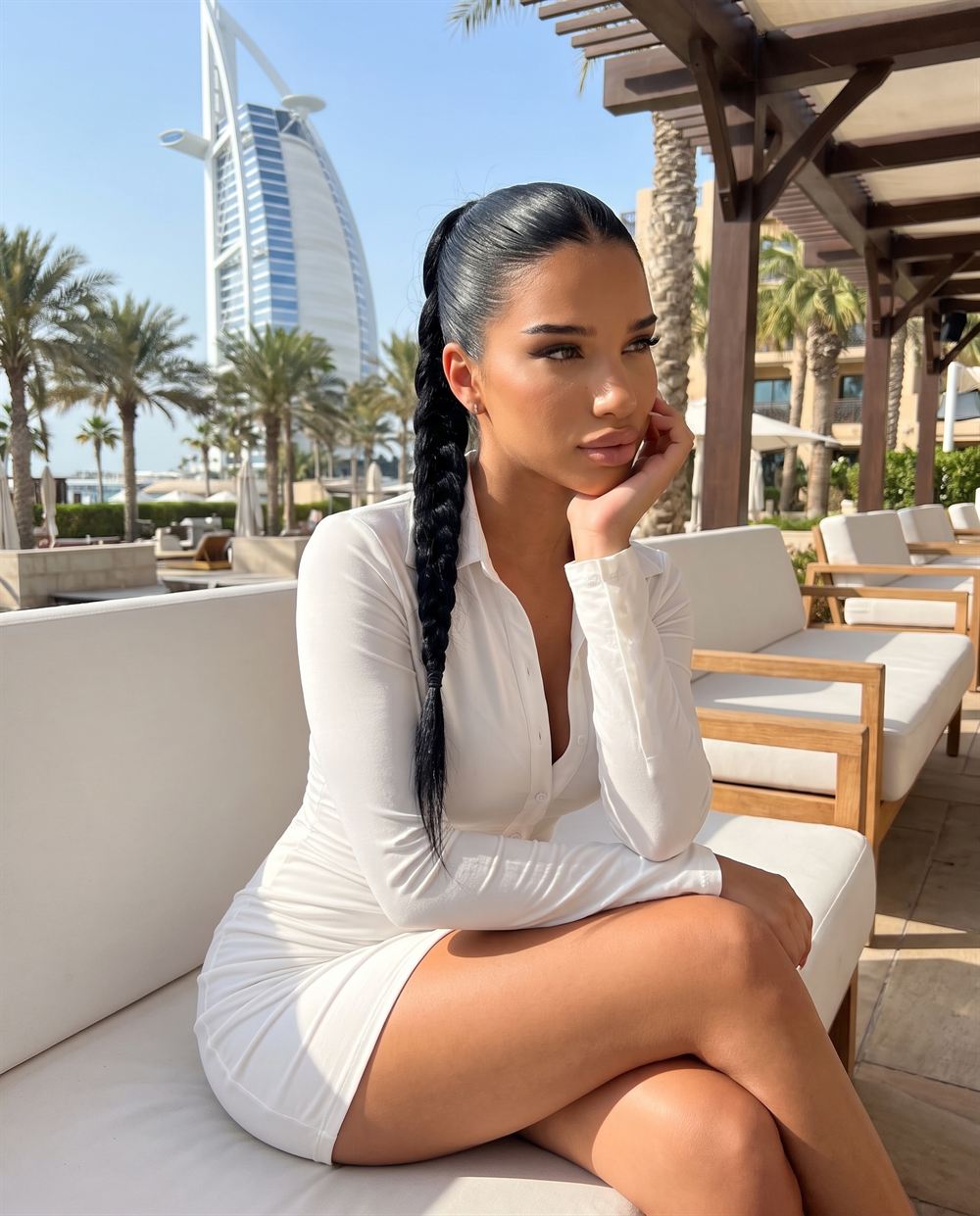
One reference beats three paragraphs
If you can point to a single image, yours or a competitor's, that captures the lighting or mood you want, attach it. A well-chosen reference image communicates more in one attachment than several paragraphs of description, and it removes the guesswork around words like moody or clean, which mean something slightly different to everyone.
None of this needs to be formal. A few sentences and a couple of photos is a complete brief. The goal is just to remove ambiguity from the one or two decisions that would otherwise need a follow-up message.
Ready to send your first brief? It takes a few minutes.
Get Started